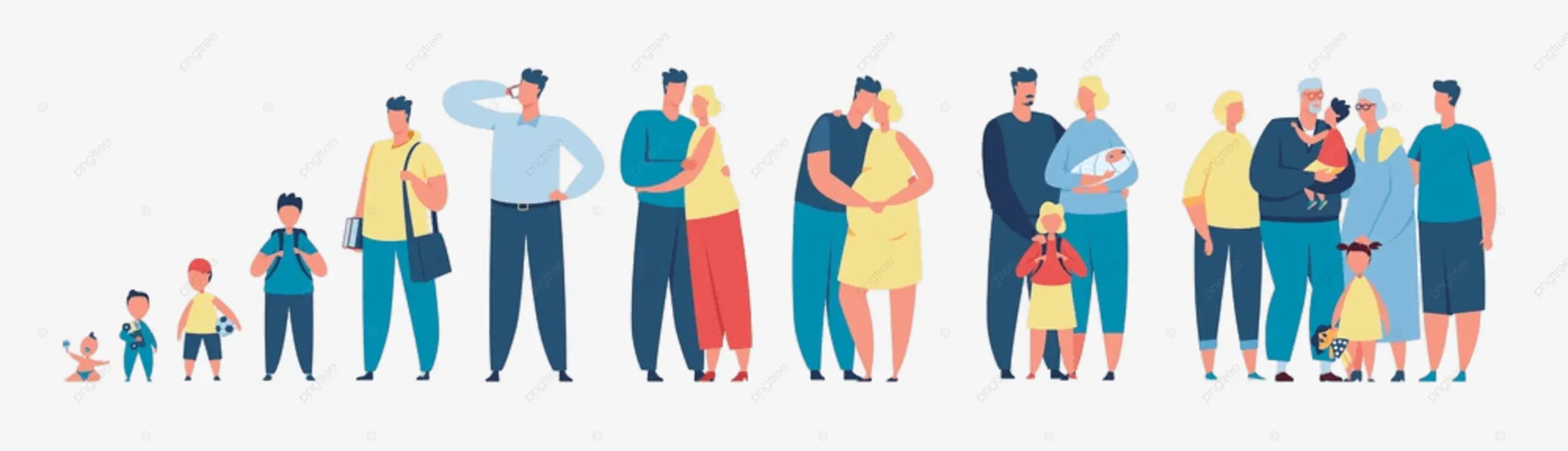
Our brains are like the pages of a book—each chapter imprinted with experiences, feelings, questions, and transformations. From the naivety of childhood, then the tumultuous aesthetics of youth, to the quiet self-reflection of adulthood, each stage in our life adds a unique layer to our psyche. This article takes a look at the way the human mind evolves year by year, how it learns, questions, experiences, and grows in the end.
Ages 1–5: The Innocent Universe
At this age of magic, the world is a color palette, sound pad, and touchpad. A child’s brain from one to five years is pure, unembarrassed, and absorbing. Trust, safety, and attachment form the basis of mental development at this stage.
A toddler doesn’t think in logic, but in sensations. A touch is translated into the language of love by a mother’s touch, a father’s voice, a rhythm of protection. The child begins forming primitive concepts of self and others. Smiles, cries, and tantrums aren’t emotional expressions—those are how this little soul talks to a confusing and gigantic world.
By age five, the brain begins to recognize routine, grasp rules, and gradually construct memories. Emotional security (or lack thereof) at this phase sets the stage for future self-esteem and mental resilience. The subconscious absorbs everything—tone, touch, mood—and stores it all in silence, determining behavior and fears that will not emerge for decades.
Ages 5–10: Imprints and Identity Seeds
This stage is a bridge—a move from dependency to semi-independence. At this point, school is a second world, and comparisons start to intrude. “She’s better at reading,” or “Why did he get a star and I didn’t?”
The brain begins to develop early notions of success, failure, beauty, and intelligence, which are increasingly linked to external validation. Children need approval and fear getting rejected. That is when bullying, favoritism, and even mild neglect at school can make lasting mental marks.
Things start to be questioned—not just things, but self. “Am I good enough?” “Why did Mom get angry?” “Why don’t I look like her?”
Parents become gods, and teachers are second parents during this age. Each word spoken in anger or love defines the self-esteem of a child. They begin to create masks unconsciously, trying to be as the world would want them to be.
Ages 10–13: The Pre-Adolescent Storm
This is when clarity once more starts to get foggy. The brain begins preparing for puberty, and with it, confusion, emotional unsettledness, and a quiet search for individuality.
Kids at this age don’t talk much, but they feel plenty. The sense of self is developing quickly now, and this brings an increased sensitivity to judgment, body image, and peer pressure.
This is the stage where crushes are secretly created. Even if they don’t actually understand what love is yet, the desire for acceptance and emotional connection comes very slowly. They may idolize celebrities, become self-conscious about their body, or even begin comparing themselves in the mirror.
They may start rejecting parents in small ways, slamming doors more, needing privacy, music, and space. It’s not rebellion—it’s mental growth.
Ages 13–18: The Storm of Adolescence
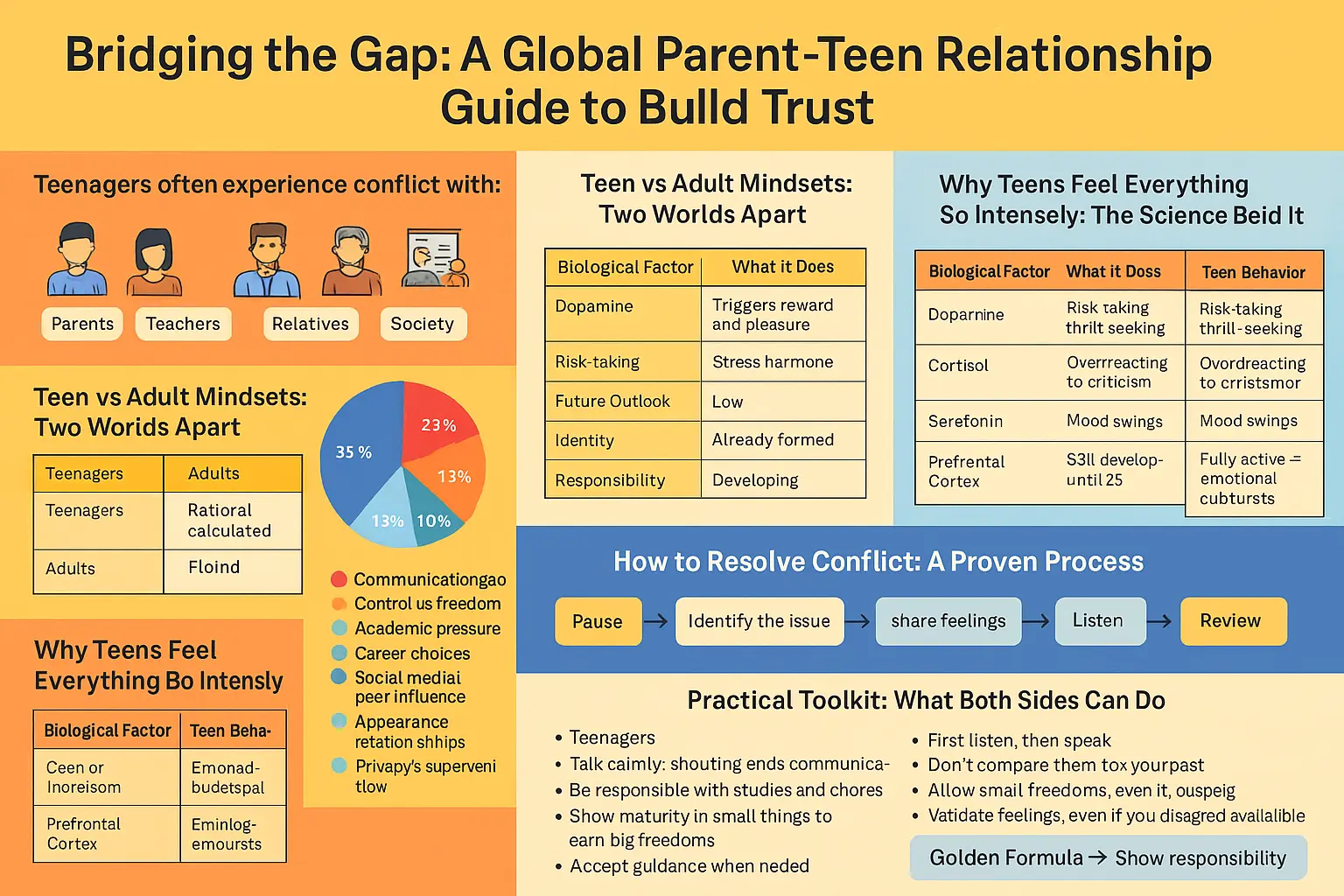
Welcome to chaos—the era of contradiction. Here, the mind is at war. This is where puberty transforms into a biological hurricane, and emotions surge unpredictably. The teen brain rewires, becoming hypersensitive to reward, risk, and social status.
The Mind and the Mirror
Teenagers begin preoccupying themselves with how they appear, how others see them, and whether or not they matter. They wonder whether or not they matter every time they receive less, such as in a photograph, or when someone else receives compliments. They wear mask labels to belong, to hide what they’re really feeling.
Infatuation grows quickly. It’s crazy, illogical, and frequently confused with love. But it does have an effect on them and teaches them what it feels like to be seen—or not seen. The thrill of a crush and the pain of heartbreak are real and shaping.
The Pressure of Performance
Here the war of studies starts. Board exams, career plans, fees, and parental pressure all join forces with hormonal transformations. The brain wants to sleep in, explore the world, and claim some freedom—but the world demands marks, focus, and maturity.
It is here that it creates a burnout of the mind for the majority of people. Fear, sleep deprivation, overthinking, and even depression can set in quietly. It’s understandable that it is during this phase that most teenagers begin hiding behind silence.
The Emotional Puzzle
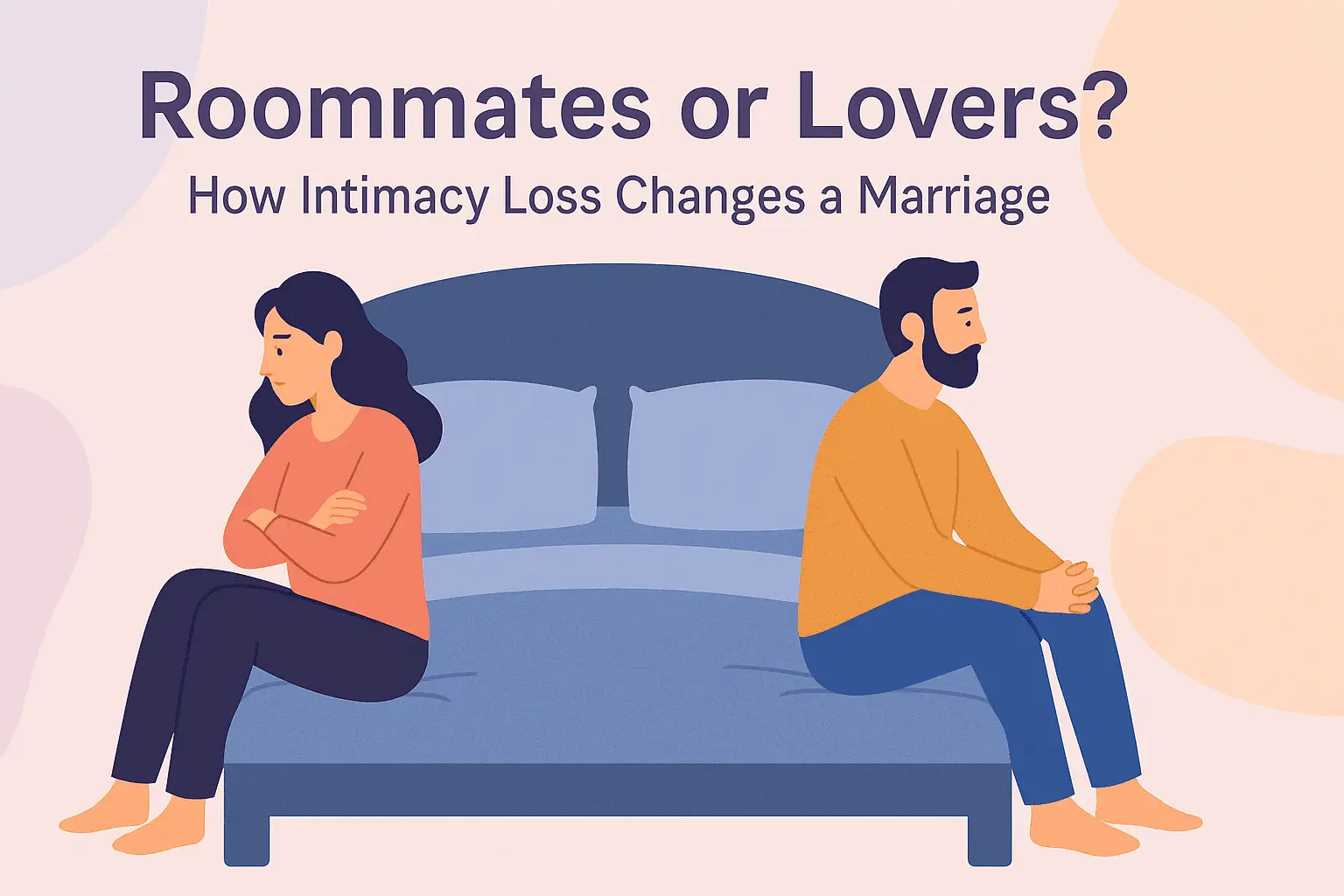
Teenagers crave independence but are not ready for it. They would prefer to be understood but lack the skills to communicate. Parental distance—either emotional or just a matter of not knowing—is felt by many. “You don’t get me!” becomes a rallying cry.
Behind every slammed door and raised voice, there’s often a teenager crying out for space and affection simultaneously.
Ages 18–25: Becoming and Belonging
If adolescent turmoil was the storm, then this is the aftermath—and a new beginning. The brain now embarks on discovering meaning, purpose, and identity.
College or early work becomes a laboratory of self-discovery. Friendships become de facto families, and romantic relationships become emotional mirrors. Human beings fall in love, break up, heal, and try again. The terror of loneliness collides with the pull of freedom.
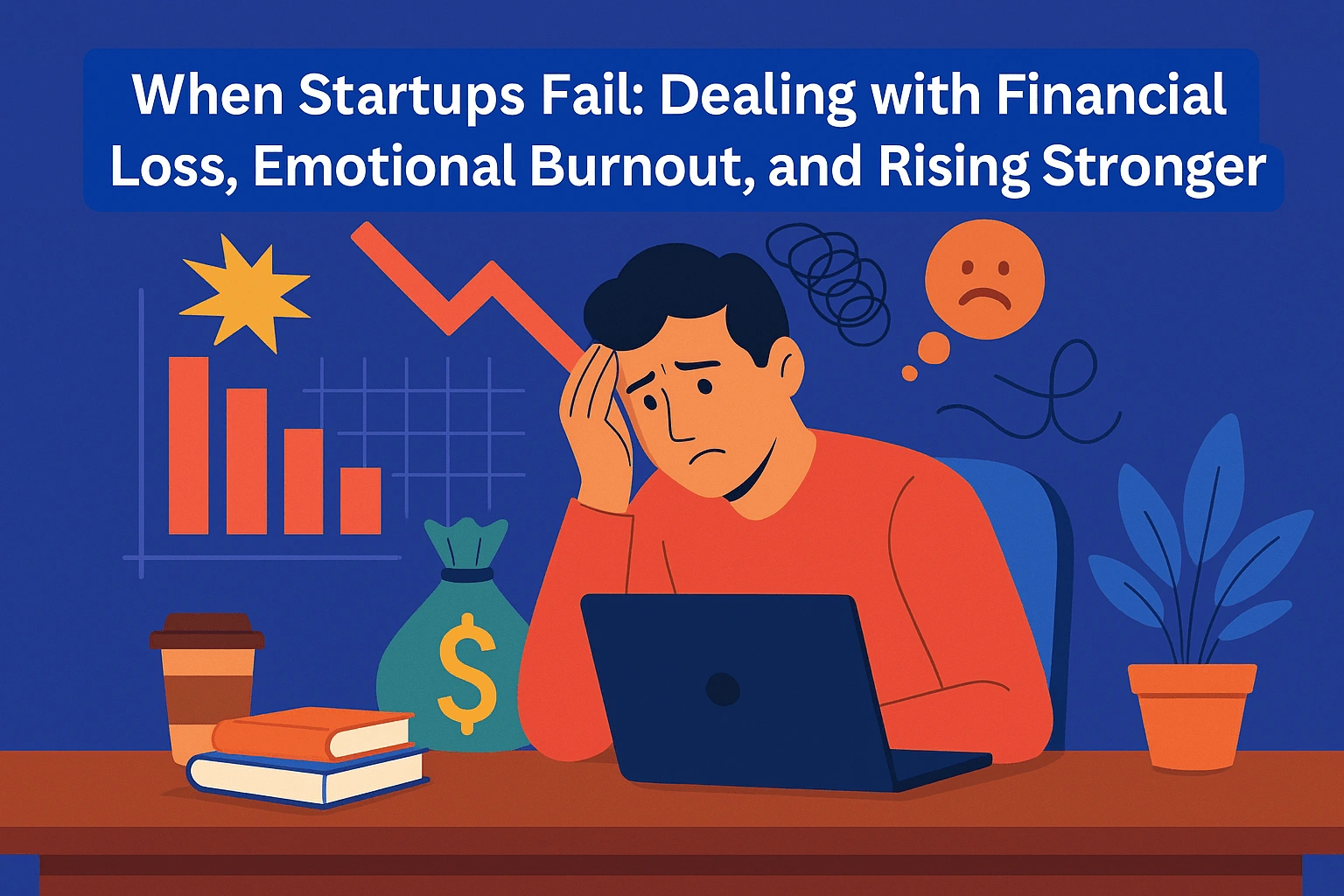
Aspirations soar high, and with them, questions. “What if I fail?” “Is this the right way?” “Am I doing enough?
Society begins whispering more loudly—career, marriage, salary, success. And with it comes comparison, competition, and most times, confusion.
Many face existential questions in this phase:
- What am I outside of approval?
- What is happiness?
- Why am I lost despite everything being good?
Emotional health issues such as impostor syndrome, anxiety, panic attacks, and identity crisis tend to emerge here. The mind is always struggling to harmonize dreams and expectations.
What Connects All These Layers?
Irrespective of the shifting situations of the life journey, one fact always persists: the individual’s mind seeks love, belonging, approval, and peace.
- A 5-year-old child looks for it in a hug.
- A 13-year-old adolescent finds it in a smile of his/her crush.
- A 20-year-old in a significant vocation or an in-depth conversation.
Each stage of the mind has its own questions and strengths.
Healing Across Time
As a psychotherapist, I’ve witnessed how wounds of one stage continue to the next. A child who has never heard becomes a teen who hides. A teen who was bullied can become an adult who overcompensates or sabotages. But I’ve also witnessed healing—transformative, slow, and compelling.
As a writer, I wish to be a voice that reminds you:
- You are not alone.
- Your thoughts are legitimate, regardless of age.
- Each emotion you’ve ever experienced made you human.
Final Thoughts: Embracing the Layers
Our minds aren’t broken. They’re layered—one with each of us that used to love, fear, cry, or laugh. In order to know yourself better today, you have to go back and visit the child you used to be, the teen you concealed, and the youth you doubted.
The mind’s journey isn’t a straight line—it’s poetic, emotional, and wonderfully unpredictable by humans.
So, as you navigate life, keep in mind:
You are not only growing older
You are unfolding…
Layer by layer.
References:
- Piaget’s Stages of Cognitive Development – Simply Psychology
- Erikson’s Psychosocial Development Theory – Verywell Mind
- Attachment Theory by John Bowlby – Simply Psychology
- Understanding the Teen Brain – Harvard Center on the Developing Child
- Mental Health Resources – NIMH
- Puberty & Mental Health – Cleveland Clinic
- Imposter Syndrome in Young Adults – American Psychological Association
A Note from the Author
“Layers of Life” is more than just a blog—it’s a safe space to explore what it means to feel, think, grow, and sometimes fall apart before we find our footing again. This blog offers emotional and psychological insights for reflective and educational purposes. It is not a substitute for therapy or clinical diagnosis. If you’re experiencing mental distress, please consult a licensed professional.
- Did this post resonate with you?
- Do you see your younger self in any of these stages?
- Would you like me to write about adult trauma, emotional burnout, relationships, or healing inner child wounds next?
Drop a comment below and let me know what part touched you most, and what topics you’d love to see explored in future posts. Your stories and thoughts matter, and they help shape the soul of this blog.
Let’s grow, heal, and understand ourselves. Share your thoughts in the comments—
Because healing happens when we speak.
When we remember.
When we unfold…
Layer by layer.